
You make a great meal for dinner, and then have tons leftover the next day. If you like leftovers, you can have this meal again the next day for lunch, or even for dinner again. If you don't like leftovers then the food gets thrown out which is such a waste.
Leftovers are the gift that keeps on giving. Reusing and conserving is very eco-friendly as nothing goes to waste. Here's a few ideas for what to do with leftovers that you wouldn't really think of using again.
Chicken:
This is one of the more versatile foods to turn into leftovers, by far. If you roast a whole chicken, you can take the leftover carcass and put it in a pot with water and veggies and make your own chicken stock. I usually make a chicken tortilla soup with this stock and the leftover meat. Delicious. If you make any other kind of chicken, you can cut it up and use it in quesadillas, chicken pasta, or chicken salad sandwich.
Bread:
This another very useful leftover. If you get a loaf of french bread, ciabatta, challah, or any other bakery bread, you can cut the leftovers in cubes to make croutons. Day old bread is perfect for french toast or bread pudding. And even older bread is great for making your own breadcrumbs. Also, you can top a toasted piece on your french onion soup. Mmmmm!
Pork:
I get the packs of pork tenderloin that come with 2 in it, and after making a roast with it for dinner, I cube it and make pork fried rice for dinner the next night. Just add some veggies like carrots, zucchini, and green onions and it's a very filling meal. Another meal you can make of leftover pork is a Cuban panini, with peppers, mayo, and sundried tomatoes.
Bananas:
Don't throw out the bananas that are getting spotty or black! These are perfect for moist banana bread. Add some chocolate chips in it and the kids won't even know they're eating something healthy.
Broccoli:
Use this leftover in stir-fry, fried rice, or in your kids mac n cheese. Or you can make a delicious broccoli and cheese soup.
Spinach:
After this vegetable has been made, it's great to add in lasagna (just mix in with the ricotta cheese and layer as usual). You could also mix it with artichokes and parmesan cheese for a quick dip.
Candy:
Halloween is just around the corner and there are always bags and bags left at my house, which starts the 6 month binge of eating candy for holidays every month until Easter. If you don't want it just sitting in your house all that time, how about chopping up the candy and adding it to cookies, frosting, or even a milkshake. Candy canes are especially great to mix your hot chocolate for a minty treat.
Turkey:
The holidays are coming sooner than I'd like, but one guarantee is leftover turkey. There are a million and one recipes for leftover turkey. My favorite is turkey tetrazzini or turkey panini's.
Pancakes:
Make a sausage roll up for breakfast the next day by wrapping the pancake around a sausage link. Better than McD's.
Salmon:
Flake the salmon to make salmon cakes by mixing it with eggs and breadcrumbs from your day old loaf of bread. :)
Steak:
Slice thin the next day and top on a salad, or add bell peppers and onions to make fajitas.
Hope these ideas will give your leftovers a second life and keep them out of the trash can. Bon appetit!
Friday, October 8, 2010

Sunday, October 3, 2010
Plan your weekly menu
You wouldn't think that something as simple as a chalkboard in the kitchen could be an environmental tool, as well as a time and money saver, but it is. On this chalkboard, I write the meals that I've planned to make for the whole week. There are many practical and useful reasons why this is a great tool to have in your kitchen:
Stick with the list:
This helps me think about what I'm going to make that week, then make the grocery list. When I go to the grocery store, the list keeps me on track, which is great for eliminating impulse buying, (and it seems like I'm always starving when I go to the grocery store-- a definite no-no). All of this planning saves me time and money. I can also check to see if any of the things I need are on sale or if I have coupons for them and save even more money.
Mom, what's for dinner?:
This menu keeps the kids from wondering what we're having for dinner and asking me a million times. Now they don't ask and simply look at the list. :)
Leftovers:
Another great use from this menu is that I know how long food has been sitting in my refrigerator. Leftovers have a 3 day limit in my house, so anything older than that gets thrown out (and will be composted when I get around to that project).
So, what to eat this week?
One meal with red meat:
Although eating meat isn't the most environmental way to live (because of the pollution and energy it takes to produce), I will probably never be a vegetarian because I like it too much. However, I only eat red meat once a week since I've read that it's not great to eat too often.
One vegetarian meal:
One meal is vegetarian, which saves money since meat is usually more expensive than a vegetable-based dish. I look at this as my cleansing meal.
Easy-peasy, or Crockpot Meal:
At least one meal a week is a quick and easy meal to put together since some of my days are crazy busy shuttling the kids to their activities, and sometimes soccer runs into dinnertime. If I have a meal ready for me at home, or only takes minutes to prepare, the less likely I am to get fast food on the way back from soccer, which saves me more money.
This meal could be something where the ingredients are already chopped and ready to put together. Or it's a meal put together in a crockpot, cooked and ready to eat when we get home. Crockpots save lots of energy and time and are great for the cooler weather we're finally starting to get. Think stews, pasta dishes, pulled pork BBQ sandwiches. Yummy. Here's a link to some crockpot recipes: http://www.parents.com/recipes/cooking/family-favorites/easy-no-cook-suppers/
Let someone else cook for a change:
I reserve one day to go out to eat since I'm usually sick of cooking by the end of the week so that takes up another slot on the weekly calendar.
I understand that this may not be appealing to everyone since not everyone enjoys cooking as much as I do, but it's worth a try if you're watching every penny you spend. I recently saw "America's Cheapest Family" on the Today show and this was one of their tips, to plan a weekly menu before grocery shopping in order to save money.
An example of my weekly menu would look like this:
Mon: Vegetarian
Tues: Crockpot
Wed: Beef
Thurs: Chicken
Fri: Pork or Fish
Sat: Pasta
Sun: Go out to eat
And if you think that a menu looks tacky in the kitchen, they have some decorative framed chalkboards at places like HomeGoods or similar home decor stores that look great. I've received many compliments on the chalkboard in my kitchen since it looks like just another home accent.
Hopefully, this is useful and helpful information that will save you time and money, as well as save a little bit of the environment. Thanks for reading!
Stick with the list:
This helps me think about what I'm going to make that week, then make the grocery list. When I go to the grocery store, the list keeps me on track, which is great for eliminating impulse buying, (and it seems like I'm always starving when I go to the grocery store-- a definite no-no). All of this planning saves me time and money. I can also check to see if any of the things I need are on sale or if I have coupons for them and save even more money.
Mom, what's for dinner?:
This menu keeps the kids from wondering what we're having for dinner and asking me a million times. Now they don't ask and simply look at the list. :)
Leftovers:
Another great use from this menu is that I know how long food has been sitting in my refrigerator. Leftovers have a 3 day limit in my house, so anything older than that gets thrown out (and will be composted when I get around to that project).
Waste not, want not:
I often forget what I've bought at the grocery store, so the menu keeps me on track to use everything I've purchased and nothing goes to waste (most of the time), which saves more money.
One meal with red meat:
Although eating meat isn't the most environmental way to live (because of the pollution and energy it takes to produce), I will probably never be a vegetarian because I like it too much. However, I only eat red meat once a week since I've read that it's not great to eat too often.
One vegetarian meal:
One meal is vegetarian, which saves money since meat is usually more expensive than a vegetable-based dish. I look at this as my cleansing meal.
Easy-peasy, or Crockpot Meal:
At least one meal a week is a quick and easy meal to put together since some of my days are crazy busy shuttling the kids to their activities, and sometimes soccer runs into dinnertime. If I have a meal ready for me at home, or only takes minutes to prepare, the less likely I am to get fast food on the way back from soccer, which saves me more money.
This meal could be something where the ingredients are already chopped and ready to put together. Or it's a meal put together in a crockpot, cooked and ready to eat when we get home. Crockpots save lots of energy and time and are great for the cooler weather we're finally starting to get. Think stews, pasta dishes, pulled pork BBQ sandwiches. Yummy. Here's a link to some crockpot recipes: http://www.parents.com/recipes/cooking/family-favorites/easy-no-cook-suppers/
Let someone else cook for a change:
I reserve one day to go out to eat since I'm usually sick of cooking by the end of the week so that takes up another slot on the weekly calendar.
I understand that this may not be appealing to everyone since not everyone enjoys cooking as much as I do, but it's worth a try if you're watching every penny you spend. I recently saw "America's Cheapest Family" on the Today show and this was one of their tips, to plan a weekly menu before grocery shopping in order to save money.
An example of my weekly menu would look like this:
Mon: Vegetarian
Tues: Crockpot
Wed: Beef
Thurs: Chicken
Fri: Pork or Fish
Sat: Pasta
Sun: Go out to eat
And if you think that a menu looks tacky in the kitchen, they have some decorative framed chalkboards at places like HomeGoods or similar home decor stores that look great. I've received many compliments on the chalkboard in my kitchen since it looks like just another home accent.
Hopefully, this is useful and helpful information that will save you time and money, as well as save a little bit of the environment. Thanks for reading!
Saturday, September 25, 2010
No more disposable mops!!
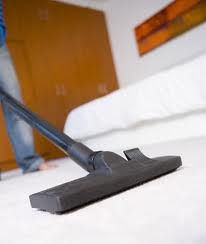
I have a major pet peeve that I'd like to get off my chest: disposable mops. I hate them. I dislike many disposable products but can understand why it's easier in this society to use something and then throw it away. Unfortunately, though, that means more waste in the landfill, and more resources needed to create new disposable products. There are alternatives out there that don't require much more work and are just as effective if not BETTER. They also can save you money by not having to by the refills.
So, today's blog is about the alternatives to disposable mops out there, such as the Swiffer. There was recently a problem with the chemicals found in the Swiffer being toxic for children & pets, so why put your family at risk and use natural cleaners instead.
Here's what I've found:
Spray mops:
These mops have a container where you can put your own solution to spray on the floor. This saves you money by either making your own solution, or by buying refills for your favorite cleaning solution (either non-toxic or toxic, your choice. You know which I'd choose.) They also feature a micro-fiber pad which is washable and reusable. I love this idea! I haven't tried either yet, but the concept is brilliant. If you have used a Swiffer and are used to this idea, why not try this alternative?
The brands I've seen recently are:
Libman Freedom Spray Mop: Doesn't require batteries, (about $20-30). Visit their site for a $5 rebate coupon: http://www.libman.com/freedom-mop.aspx
Rubbermaid Reveal: also requires no batteries (about $20-30)
Gaiam Spray Mop Kit (about $60)
The old-fashioned bucket and mop way:
The traditional way of cleaning your floors with a mop and bucket of water never appealed to me, but is very effective. Lots of work and lots of water used. It was a headache for me, but I know people who won't clean any other way. To each, his own. There are washable, reusable microfiber mop heads that are great such as Casabella or Real Simple.
Dry mops:
Method oMops are great. They have different ones for wood floors or all-purpose, and they have great non-toxic cleaners that go with them. Method mops come in recycled and recyclable packaging for even less of an environmental impact. How about that! I've also tried the terry cloth mop heads for hardwood floors that are washable and reusable.
This is by far my favorite way to clean my floors. I mentioned this in a previous post about non-toxic cleaning. All it takes is a little water and a plug. It steams the floors clean, and cleans especially well on wood floors. It requires no chemicals (besides water) and has replaceable microfiber cloths that are washable. The Shark steam mop comes with 3 different types of mop pads: triangular (to clean bathrooms, around toilets), white rectangular (to clean large areas), and a purple one with a different loopy material (for wood floors). There are 2 of each of these so you can have one in the dirty clothes hamper while you use the other one. (I just bought the Shark steam cleaner and have mixed reviews. More on that another day).
I have only used the Shark steam mop, but there are several out there to try such as Bissell, Eureka, Steam Clean, H2O, and others. I got mine at Bed, Bath & Beyond with a 20% coupon, and it was totally worth the price I paid.
Disposable:
If disposable is still your way to go, then try Method's oMop sweeper duster. Just like your old trusty disposable mop, you can throw the pads away when you're done. However, these mop pads are made from corn and are compostable, instead of the petroleum-based pads that clog up the landfill.
So there you have it, all of the different ways to clean your floors using eco-friendly products. I can't promise that mopping will become your favorite chore in the house, but at least you'll feel better by doing it a little greener. :)
Saturday, September 18, 2010
Natural remedies
Today's eco-tip is to try to find natural remedies from every day plants and foods that you would normally buy or use. I don't have a green thumb, AT ALL, but I'd like to get some of these to clean the air indoors & to get more use than just spicing up my food.
Here are a few remedies that I found online:
Aloe Vera plant:
Just the other day, I finally purchased my very first aloe vera plant. I am a klutz in the kitchen, but I love to cook. But a week doesn't go by without burning or cutting myself. This is a plant that will heal these minor injuries without getting medicine from the store and it works amazingly well, the natural way.
Dandelions:
This is the plant that most preschools give your kid to plant and bring home. Remember the movie ET? It has another use besides looking pretty for about a week. If you put these in a paper bag with unripe fruit, the flowers & leaves release ethylene gas to ripen the fruit quickly. How about that!
Blackberries:
If you mix the roots and leaves, it can help soothe sore throats. If you mix the fruit & root bark with honey, it's a great cough remedy. If you happen to be growing your own blackberries, or just buy them from the store, why not try this before putting all of those pharmaceutical remedies into your body. It's all natural, so what could it hurt? I haven't tried this myself, but plan to the next time the need arises.
Peppermint oil:
May have benefits for those with IBS (irritable bowel syndrome). Try putting some in some hot chocolate or in chocolate chip cookies. Tastes great with some added benefits.
Fresh basil:
Antioxidant, boosts your immune system, helps prevent viral infections (like colds and the flu)
Ginger:
Every pregnant woman has heard that ginger helps reduce nausea (think, GingerAle). But ginger is also good for several other uses. Check out this site for more of it's remedies: http://www.botanical-online.com/medicinalsgengibreangles.htm
Cinnamon:
This spice can be used for everything from memory-loss (boy do I need this one!) to headaches to the common cold. Here is the link for it's uses: http://www.asianonlinerecipes.com/herbs-health/cinnamon-healing-properties.php
Other edible remedies:
Artichokes, honey and garlic can reduce cholesterol. (Individually, not put together).
Tarragon treats toothaches.
Cranberries can treat UTI's in women.
Grapefruit may prevent obesity.
Thyme: This herb fights viruses, helps menstrual cramps, is a cold remedy, and is a digestive aid.
Why not try these natural remedies out without going too extreme with potions you've never heard of, or with medicines you get over the counter. I'm not saying to do without modern medicines completely, just try something made from the earth first and see what happens. Wouldn't hurt to try, right?
Visit this site for more information on herbal remedies:
http://www.pharrah13.com/herbal_uses.html
Here are a few remedies that I found online:
Aloe Vera plant:
Just the other day, I finally purchased my very first aloe vera plant. I am a klutz in the kitchen, but I love to cook. But a week doesn't go by without burning or cutting myself. This is a plant that will heal these minor injuries without getting medicine from the store and it works amazingly well, the natural way.
Dandelions:
This is the plant that most preschools give your kid to plant and bring home. Remember the movie ET? It has another use besides looking pretty for about a week. If you put these in a paper bag with unripe fruit, the flowers & leaves release ethylene gas to ripen the fruit quickly. How about that!
Blackberries:
If you mix the roots and leaves, it can help soothe sore throats. If you mix the fruit & root bark with honey, it's a great cough remedy. If you happen to be growing your own blackberries, or just buy them from the store, why not try this before putting all of those pharmaceutical remedies into your body. It's all natural, so what could it hurt? I haven't tried this myself, but plan to the next time the need arises.
Peppermint oil:
May have benefits for those with IBS (irritable bowel syndrome). Try putting some in some hot chocolate or in chocolate chip cookies. Tastes great with some added benefits.
Fresh basil:
Antioxidant, boosts your immune system, helps prevent viral infections (like colds and the flu)
Ginger:
Every pregnant woman has heard that ginger helps reduce nausea (think, GingerAle). But ginger is also good for several other uses. Check out this site for more of it's remedies: http://www.botanical-online.com/medicinalsgengibreangles.htm
Cinnamon:
This spice can be used for everything from memory-loss (boy do I need this one!) to headaches to the common cold. Here is the link for it's uses: http://www.asianonlinerecipes.com/herbs-health/cinnamon-healing-properties.php
Other edible remedies:
Artichokes, honey and garlic can reduce cholesterol. (Individually, not put together).
Tarragon treats toothaches.
Cranberries can treat UTI's in women.
Grapefruit may prevent obesity.
Thyme: This herb fights viruses, helps menstrual cramps, is a cold remedy, and is a digestive aid.
Why not try these natural remedies out without going too extreme with potions you've never heard of, or with medicines you get over the counter. I'm not saying to do without modern medicines completely, just try something made from the earth first and see what happens. Wouldn't hurt to try, right?
Visit this site for more information on herbal remedies:
http://www.pharrah13.com/herbal_uses.html
Monday, September 13, 2010
Pass: eco-products that I LOVE, LOVE, LOVE
As promised, this week's post will feature products that are both good for the environment as well as great for your daily living. Last week I told you about those products that didn't make the grade, at all. These are my favorites that have been tried and I love.
Beauty products & toiletries:
Burt's Bees.
Their products feature everything from lotions, to shampoos, to men's products. I especially love their tinted lip gloss which moisturizes as well as give you a polished look.
Ecotools makeup brushes.
These are made from natural & recycled materials, like bamboo, and work great. They range from eye brushes, to foundation, to powder brushes. Guilt-free beauty.
Eco-dent toothbrushes.
These are made from 100% plastic and have replaceable toothbrush heads. If you think about how many toothbrushes are thrown away in your own household each year, it makes sense to get these to reduce your waste. They have adult and kid's sizes, but I'm having a hard time finding the kid's ones these days. Anyway, I love them so if you can find them, stock up.
Cleaning products:
Simply Green.
This company makes a non-toxic cleaning solution that you dilute with water to clean just about everything. Besides my homemade cleaners, I use this solution daily to clean lunchboxes, placemats, and anything else that's not granite, wood, or stainless steel.
Seventh generation
I have used their dish soap, laundry detergent, and household cleaners and love them. It gets pricey which is why I've started making my own. But a very good product for those who don't want to make their own.
Method:
Their tub scrub (le scrub) works great (a lot like soft scrub) and is non-toxic. Their biodegradable and flushable toilet wipes are great also, as is their toilet cleaner. As mentioned last week, their tub & tile cleaner is not.
Microfiber cloths.
I buy mine at the Target automotive section that come 8-12 in a pack. Very economical and in various colors so you can color code which task you want it for. For example, gray for stainless steel, orange for the counters, etc. I keep mine in a bin under my kitchen sink so they're always at hand and swap them out daily. I toss them in the wash by the end of the week with my cloth napkins, dish cloths, and steam mop pads.
Scotch-Brite non-scratch natural sponges & scour pads.
These kitchen cleaning products are made from 100% natural fibers & recycled paper. It's a renewable resource that will naturally break down for guilt-free cleaning.
Cooking products:
Contessa frozen foods.
These frozen meals are all-natural, minimal ingredients, taste great, and are good for you. When you're in a rush and don't have time to make your dinner/lunch, this is a great product to try. And as a bonus, there are coupons included in each bag for your next purchase.
Regency parchment paper.
This stuff is a God-send for me. I have been trying to find an alternative to saran wrap to pound chicken cutlets thin and this product works phenomenally. It's also great for lining your baking sheets for easy clean-up. And for those of you who like the convenience of disposable living, this is guilt-free since it's made out of plants so it's a renewable resource AND biodegrades! Love it!
Products I'd like to try:
iPhone solar charger. As addicted as I am to my phone, I have to charge it daily, so this is a must for me. Probably going to add it to my wish list. A little less demand on the power grid from me.
Preserve kitchen products (like spatulas, colanders, etc.). These will also be on my Christmas wish list for sure. Made from recycled yogurt containers they are stylish, functional, and eco-friendly. And I love kitchen gadgets.
So, take it from me. These products are eco-friendly but are just as effective as their non-eco-friendly alternatives. And they're better for you and the planet as well. Test them out for yourselves and let me know what you think.
Beauty products & toiletries:
Burt's Bees.
Their products feature everything from lotions, to shampoos, to men's products. I especially love their tinted lip gloss which moisturizes as well as give you a polished look.
Ecotools makeup brushes.
These are made from natural & recycled materials, like bamboo, and work great. They range from eye brushes, to foundation, to powder brushes. Guilt-free beauty.
Eco-dent toothbrushes.
These are made from 100% plastic and have replaceable toothbrush heads. If you think about how many toothbrushes are thrown away in your own household each year, it makes sense to get these to reduce your waste. They have adult and kid's sizes, but I'm having a hard time finding the kid's ones these days. Anyway, I love them so if you can find them, stock up.
Cleaning products:
Simply Green.
This company makes a non-toxic cleaning solution that you dilute with water to clean just about everything. Besides my homemade cleaners, I use this solution daily to clean lunchboxes, placemats, and anything else that's not granite, wood, or stainless steel.
Seventh generation
I have used their dish soap, laundry detergent, and household cleaners and love them. It gets pricey which is why I've started making my own. But a very good product for those who don't want to make their own.
Method:
Their tub scrub (le scrub) works great (a lot like soft scrub) and is non-toxic. Their biodegradable and flushable toilet wipes are great also, as is their toilet cleaner. As mentioned last week, their tub & tile cleaner is not.
Microfiber cloths.
I buy mine at the Target automotive section that come 8-12 in a pack. Very economical and in various colors so you can color code which task you want it for. For example, gray for stainless steel, orange for the counters, etc. I keep mine in a bin under my kitchen sink so they're always at hand and swap them out daily. I toss them in the wash by the end of the week with my cloth napkins, dish cloths, and steam mop pads.
Scotch-Brite non-scratch natural sponges & scour pads.
These kitchen cleaning products are made from 100% natural fibers & recycled paper. It's a renewable resource that will naturally break down for guilt-free cleaning.
Cooking products:
Contessa frozen foods.
These frozen meals are all-natural, minimal ingredients, taste great, and are good for you. When you're in a rush and don't have time to make your dinner/lunch, this is a great product to try. And as a bonus, there are coupons included in each bag for your next purchase.
Regency parchment paper.
This stuff is a God-send for me. I have been trying to find an alternative to saran wrap to pound chicken cutlets thin and this product works phenomenally. It's also great for lining your baking sheets for easy clean-up. And for those of you who like the convenience of disposable living, this is guilt-free since it's made out of plants so it's a renewable resource AND biodegrades! Love it!
Products I'd like to try:
iPhone solar charger. As addicted as I am to my phone, I have to charge it daily, so this is a must for me. Probably going to add it to my wish list. A little less demand on the power grid from me.
Preserve kitchen products (like spatulas, colanders, etc.). These will also be on my Christmas wish list for sure. Made from recycled yogurt containers they are stylish, functional, and eco-friendly. And I love kitchen gadgets.
So, take it from me. These products are eco-friendly but are just as effective as their non-eco-friendly alternatives. And they're better for you and the planet as well. Test them out for yourselves and let me know what you think.
Friday, September 3, 2010
Fail: eco-products don't always make the grade
I've started writing this blog to provide people with alternatives to their everyday living in order to become more eco-friendly. I love promoting green products that are just as good if not better than the regular products in the store. However, just because something is eco-friendly doesn't mean it's always effective.
Here are a few products that I've tried recently that just aren't good:
Preserve razors: These razors are made out of recycled yogurt containers. This company makes lots of beauty & home products, such as toothbrushes and razors, from those containers that aren't usually recycled in your local landfill. (Most landfills except only plastic #1 & 2 located in the triangle on the bottom of your plastic products so I was excited when someone was actually making use of these #5 & 6 containers). Anyway, these razors are HORRIBLE. I cut myself shaving the other day so badly that a piece of my skin was in the razor. Appetizing, I know. And what's sexier than shaved legs, is shaved legs with band-aids stuck all over. Oh yeah, that's hot.
Whole Foods brand shampoo & conditioner: I bought these thinking that since they were biodegradable and don't effect the water eco-system that I was doing my part, but my hair looked like crap. I'm not at the point where I can sacrifice beauty for the environment, so it's back to looking for a better alternative.
Tom's natural toothpaste: I don't recommend it. My teeth did NOT feel clean, nor did my breath smell any better. Again, beauty (& hygiene) over the environment. Looking for an alternative.
Method Tub & Tile cleaner: This does NOT clean my showers to my satisfaction. I have also tried a steamer as well as baking soda & vinegar. So far nothing works as well as Kaboom! or bleach alternatives which contain all kinds of toxic chemicals that are bad for my health and the environment. But I'd like to shower in a clean & mildew-less bathroom, thank you.
Method's new tiny laundry detergent in a pump: I wish I could promote this one, as it's a great idea for those of you who use laundromats since it's small and compact and effective. However, they need to come up with a better pump. Three-quarters of the way through, the the pump becomes ineffective and it's very frustrating. I'd rather just use another detergent without the frustration.
Lastly, I do not recommend GE's frontload washer. They are very stylish and very energy efficient (they use less water to wash your clothes), however they are a headache to clean. Never thought I'd have to clean my washer, but this one has a slide-out drawer to put your detergent, fabric softener, and bleach in, which you have to open to air out when not in use. Otherwise it gets mold in it. Mold. Yuck. Also, it has a plastic flap in the door opening of the washer where things like to get caught (like socks, coins, and hairballs). I'll be going back to the old school washer once this one dies (in 15 yrs or so. ugh!).
So, unfortunately, I can't just promote a product because it's natural or eco-friendly. I'd like to recommend the best products to live a greener life, so it's back to doing more research on environmental alternatives to these products. Hope these tips help save you a little time and frustration. Next week I'll have suggestions for green products that I absolutely love.
In the meantime, please join my facebook page for eco-mami to receive daily eco-tips, current articles about the environment, and product reviews for green things I've tried. Thanks for reading!
Here are a few products that I've tried recently that just aren't good:
Preserve razors: These razors are made out of recycled yogurt containers. This company makes lots of beauty & home products, such as toothbrushes and razors, from those containers that aren't usually recycled in your local landfill. (Most landfills except only plastic #1 & 2 located in the triangle on the bottom of your plastic products so I was excited when someone was actually making use of these #5 & 6 containers). Anyway, these razors are HORRIBLE. I cut myself shaving the other day so badly that a piece of my skin was in the razor. Appetizing, I know. And what's sexier than shaved legs, is shaved legs with band-aids stuck all over. Oh yeah, that's hot.
Whole Foods brand shampoo & conditioner: I bought these thinking that since they were biodegradable and don't effect the water eco-system that I was doing my part, but my hair looked like crap. I'm not at the point where I can sacrifice beauty for the environment, so it's back to looking for a better alternative.
Tom's natural toothpaste: I don't recommend it. My teeth did NOT feel clean, nor did my breath smell any better. Again, beauty (& hygiene) over the environment. Looking for an alternative.
Method Tub & Tile cleaner: This does NOT clean my showers to my satisfaction. I have also tried a steamer as well as baking soda & vinegar. So far nothing works as well as Kaboom! or bleach alternatives which contain all kinds of toxic chemicals that are bad for my health and the environment. But I'd like to shower in a clean & mildew-less bathroom, thank you.
Method's new tiny laundry detergent in a pump: I wish I could promote this one, as it's a great idea for those of you who use laundromats since it's small and compact and effective. However, they need to come up with a better pump. Three-quarters of the way through, the the pump becomes ineffective and it's very frustrating. I'd rather just use another detergent without the frustration.
Lastly, I do not recommend GE's frontload washer. They are very stylish and very energy efficient (they use less water to wash your clothes), however they are a headache to clean. Never thought I'd have to clean my washer, but this one has a slide-out drawer to put your detergent, fabric softener, and bleach in, which you have to open to air out when not in use. Otherwise it gets mold in it. Mold. Yuck. Also, it has a plastic flap in the door opening of the washer where things like to get caught (like socks, coins, and hairballs). I'll be going back to the old school washer once this one dies (in 15 yrs or so. ugh!).
So, unfortunately, I can't just promote a product because it's natural or eco-friendly. I'd like to recommend the best products to live a greener life, so it's back to doing more research on environmental alternatives to these products. Hope these tips help save you a little time and frustration. Next week I'll have suggestions for green products that I absolutely love.
In the meantime, please join my facebook page for eco-mami to receive daily eco-tips, current articles about the environment, and product reviews for green things I've tried. Thanks for reading!
Saturday, August 28, 2010
Eat in season

Would you like to save money, lose weight, and eat fresh, delicious food? If so, all you have to do is learn to shop for your produce in season.
However, just because the produce is in the grocery store doesn't mean it's in season. Have you noticed how the price of produce, such as strawberries, fluctuate from one season to the next? If you buy foods that are in season, they will cost much less. If you're buying fresh produce, you will be eating the nutrients and vitamins you need in order to maintain a healthy diet. And in-season food always tastes better.
You can eliminate the guess work of what's in season by shopping at your local farmer's market, which will offer local goods and reduce the resources needed to transport them to the grocery store from, say, California or Canada. If you don't buy locally, it not only takes a lot of fuel to transport, but these products are usually picked early and don't always arrive in the best shape.
Another way to get your produce locally and seasonally is by joining your local CSA (Community Supported Agriculture) at your local farm. Your local farms can either deliver their crops to your door, you can go pick it up at the farm, or you can pick it yourself. If you don't grow it yourself, this is the cheapest way to get your produce fresh.
Of course, if you'd like a strawberry pie in the middle of winter, you can always go to the store and get what you need for that, but it won't taste as good as it does in the summer. Or you could stock up on all of the seasonal produce and freeze it or can it so you can enjoy it all year long.
Here's a link to an interactive map of the food in your season and region (with recipes too!):
However, just because the produce is in the grocery store doesn't mean it's in season. Have you noticed how the price of produce, such as strawberries, fluctuate from one season to the next? If you buy foods that are in season, they will cost much less. If you're buying fresh produce, you will be eating the nutrients and vitamins you need in order to maintain a healthy diet. And in-season food always tastes better.
You can eliminate the guess work of what's in season by shopping at your local farmer's market, which will offer local goods and reduce the resources needed to transport them to the grocery store from, say, California or Canada. If you don't buy locally, it not only takes a lot of fuel to transport, but these products are usually picked early and don't always arrive in the best shape.
Another way to get your produce locally and seasonally is by joining your local CSA (Community Supported Agriculture) at your local farm. Your local farms can either deliver their crops to your door, you can go pick it up at the farm, or you can pick it yourself. If you don't grow it yourself, this is the cheapest way to get your produce fresh.
Of course, if you'd like a strawberry pie in the middle of winter, you can always go to the store and get what you need for that, but it won't taste as good as it does in the summer. Or you could stock up on all of the seasonal produce and freeze it or can it so you can enjoy it all year long.
Here's a link to an interactive map of the food in your season and region (with recipes too!):
http://www.epicurious.com/articlesguides/seasonalcooking/farmtotable/seasonalingredientmap
From the website of the World's Healthiest Foods (whfoods.org), here is a list of the food you should eat according to season (and if you click on each vegetable it'll give you the scoop on what it is and why it's good for you):
From the website of the World's Healthiest Foods (whfoods.org), here is a list of the food you should eat according to season (and if you click on each vegetable it'll give you the scoop on what it is and why it's good for you):
- In spring, focus on tender, leafy vegetables that represent the fresh new growth of this season. The greening that occurs in springtime should be represented by greens on your plate, including Swiss chard, spinach, Romaine lettuce, fresh parsley, and basil.
- In summer, stick with light, cooling foods in the tradition of traditional Chinese medicine. These foods include fruits like strawberries, apple, pear, and plum; vegetables like summer squash, broccoli, cauliflower, and corn; and spices and seasonings like peppermint and cilantro.
- In fall, turn toward the more warming, autumn harvest foods, including carrot, sweet potato, onions, and garlic. Also emphasize the more warming spices and seasonings including ginger, peppercorns, and mustard seeds.
- In winter, turn even more exclusively toward warming foods. Remember the principle that foods taking longer to grow are generally more warming than foods that grow quickly. All of the animal foods fall into the warming category including fish, chicken, beef, lamb, and venison. So do most of the root vegetables, including carrot, potato, onions and garlic. Eggs also fit in here, as do corn and nuts.
Yummy eating, happy planet!
Sunday, August 22, 2010
don't believe the hype
Being an environmentalist can be a challenge. Going to the market to buy food is a dilemma for me because I have too many choices:
Local or organic? Free-range eggs in the styrofoam packaging or the store-brand cardboard carton? Healthy snacks in individual plastic packaging or somewhat-healthy snacks in the bulk 5 lb box? I'll be honest that I don't make the same decisions every time. It really just depends on the mood I'm in or the cause I want to support that particular day. It's too much guilt on my conscious for one person to handle so I tell myself I'm doing the best I can. As long as I use my reusable grocery bags and don't buy junk "food" with tons of ingredients that I can't pronounce, I figure I'm being a good eco-mami.
However, after recently talking to a local farmer, I'm more confused than ever about these environmentally friendly labels you see at the grocery store. For years I've been buying into the hype that free-range and organic are actually going to benefit the lives and health of the animals which become our food. Not true, he said. Free-range labels (which are regulated by the government) means that the animal is only required 5 minutes outside, or to just have open windows in their pens. Organic beef or meat means that the animal needs to eat organic grain/feed. The animals won't produce tastier meat but it will be healthier since it won't have hormones or antibiotics.
So what to choose? Local and/or grass fed meat is tastier and requires less fuel to transport, and will be healthier in the long-run for people and for the planet. My family is from Argentina, where they produce the best tasting beef in the world! The difference? The cows eat grass. Worth the extra cost in my opinion. Grain-fed cattle have more risk of e. coli infection because it increases the acidity in the stomachs which e. coli needs to survive. Free-range cows eat grass and get less sick which means they don't need hormones & antibiotics. And from my own taste test, it seems that locally grown produce (such as in my own container garden) is much tastier than store-bought. If you can buy local AND organic, that would be the best for the environment.
I'll visit the local farmer's market and buy their local products and I'll occasionally buy meat and cheeses from the local farm as well. If I can see for myself that the chickens and cows are free range, then I'll spend my money on that. I have noticed that I spend far less at the grocery store by not buying processed foods, which I can then spend a little more in local or organic. Also, at least once a week our meals are vegetarian, and we only eat red meat once a week. This saves me money, is healthier for my family, and healthier for the environment.
There are many choices, and you should make the best one for your family. Eating organic, local, and grass-fed doesn't fit every family's budget, but it will taste better. And who knows, maybe then your little ones will actually eat their vegetables.
Here are a few definitions that I found on these terms:
According to the Organic Trade Association:
Organic production is based on a system of farming that maintains and replenishes soil fertility without the use of toxic and persistent pesticides and fertilizers. Organically produced foods also must be produced without the use of antibiotics, synthetic hormones, genetic engineering and other excluded practices, sewage sludge, or irradiation. Organic foods are minimally processed without artificial ingredients, preservatives, or irradiation to maintain the integrity of the food.
Wikipedia: free range
The U.S. Department of Agriculture Food Safety and Inspection Service (FSIS) requires that chickens raised for their meat have access to the outside in order to receive the free-range certification. There is no requirement for access to pasture, and there may be access to only dirt or gravel . Free-range chicken eggs, however, have no legal definition in the United States. Likewise, free-range egg producers have no common standard on what the term means. Many egg farmers sell their eggs as free range merely because their cages are two or three inches above average size, or because there is a window in the shed.
USDA's definition of free range is:
FREE RANGE or FREE ROAMING:
Producers must demonstrate to the Agency that the poultry has been allowed access to the outside.
Producers must demonstrate to the Agency that the poultry has been allowed access to the outside.
USDA's definition of organic:
"Organic food is produced by farmers who emphasize the use of renewable resources and the conservation of soil and water to enhance environmental quality for future generations. Organic meat, poultry, eggs, and dairy products come from animals that are given no antibiotics or growth hormones. Organic food is produced without using most conventional pesticides; fertilizers made with synthetic ingredients or sewage sludge; bioengineering; or ionizing radiation. Before a product can be labeled "organic," a Government-approved certifier inspects the farm where the food is grown to make sure the farmer is following all the rules necessary to meet USDA organic standards. Companies that handle or process organic food before it gets to your local supermarket or restaurant must be certified, too." [What is organic food? (USDA, Agricultural Marketing Service, National Organic Program (NOP)).]
Sunday, August 15, 2010
Back to school eco-tips: lunches/snacks
Here are a few tips on how to get your kids off to school without making a negative impact on the environment. This week I'll focus on their lunches and snacks:
Make your own:
Think Jamie Oliver's Food Revolution: granola bars, sandwiches, pita chips, wraps, or make your own lunchables with crackers, deli meat and cheese. Try wrapping a banana in a tortilla spread with PB&J and roll it up. (My kids love that one!). If your kids have peanut allergies, try Sun Butter, which is made from sunflower seeds and tastes very similar to peanut butter. Start building your recipe collection for creative lunches and test them out on your kids before school starts.
Use reusable things to pack those lunches:
Try reusable lunch bags, bento boxes, reusable sandwich/snack bag or tupperware instead of plastic baggies. Use reusable water bottles, which sometimes come in packs of 5 in kid sizes to store in the fridge to make it easier to throw in the lunch box. Get big jugs of juice & put in those reusable bottles rather than buying juice boxes, (think of how many boxes & little straws, not to mention the plastic that packages the groups of juice boxes, is thrown away each day in your school).
Buy in bulk:
Things like pretzels, raisins, chips, or granola bars. Try to avoid single serving containers. Yes, it saves time to just grab a snack pack from the pantry, but if you have an extra 60 seconds, put it in a tupperware.
Here is a recipe for Chewy Granola bars, but there are hundreds out there on the internet:
http://allrecipes.com//Recipe/chewy-granola-bars/Detail.aspx
Here are a few links for kid-friendly school lunches:
http://www.parents.com/kids/nutrition/lunch/healthy-school-lunches-snacks/;jsessionid=CUFRUNSAHOSBACQCEARR42Q?page=2
http://www.epicurious.com/articlesguides/everydaycooking/family/schoollunchesforkids
http://www.goodhousekeeping.com/food/healthy/ideas-kids-school-lunches
Hope this helps you save some money and that your kids enjoy their lunches. This will be a major lesson they can learn on how to help the environment. Happy kids, happy parents, happy planet!
Make your own:
Think Jamie Oliver's Food Revolution: granola bars, sandwiches, pita chips, wraps, or make your own lunchables with crackers, deli meat and cheese. Try wrapping a banana in a tortilla spread with PB&J and roll it up. (My kids love that one!). If your kids have peanut allergies, try Sun Butter, which is made from sunflower seeds and tastes very similar to peanut butter. Start building your recipe collection for creative lunches and test them out on your kids before school starts.
Use reusable things to pack those lunches:
Try reusable lunch bags, bento boxes, reusable sandwich/snack bag or tupperware instead of plastic baggies. Use reusable water bottles, which sometimes come in packs of 5 in kid sizes to store in the fridge to make it easier to throw in the lunch box. Get big jugs of juice & put in those reusable bottles rather than buying juice boxes, (think of how many boxes & little straws, not to mention the plastic that packages the groups of juice boxes, is thrown away each day in your school).
Buy in bulk:
Things like pretzels, raisins, chips, or granola bars. Try to avoid single serving containers. Yes, it saves time to just grab a snack pack from the pantry, but if you have an extra 60 seconds, put it in a tupperware.
Here is a recipe for Chewy Granola bars, but there are hundreds out there on the internet:
http://allrecipes.com//Recipe/chewy-granola-bars/Detail.aspx
Here are a few links for kid-friendly school lunches:
http://www.parents.com/kids/nutrition/lunch/healthy-school-lunches-snacks/;jsessionid=CUFRUNSAHOSBACQCEARR42Q?page=2
http://www.epicurious.com/articlesguides/everydaycooking/family/schoollunchesforkids
http://www.goodhousekeeping.com/food/healthy/ideas-kids-school-lunches
Hope this helps you save some money and that your kids enjoy their lunches. This will be a major lesson they can learn on how to help the environment. Happy kids, happy parents, happy planet!
Sunday, August 8, 2010
back to school eco tips
The summer is almost over and a lot of you will be preparing for your children to go back to school, especially this weekend being tax-free for many states. How to do this in an environmental way?
Reduce & Reuse
You don't need to buy new supplies every year. Reuse backpacks, pencils, pens, rulers, scissors, etc.
Recycled products
Paper products: Buy recycled paper, journals, notebooks, etc. Get crayons made out of beeswax or soy rather than petroleum based. There are new office/school supplies coming out all the time that are made out of recycled products, or reduce waste in some way. Look for the new recycled pens, or the recycled pencils made from denim. There are so many companies looking to do better in their impact on the environment. Support them if you can!
And if you have the will and the means, why not supply some of these environmental supplies to the teachers or for those students less fortunate.
Not only will you be helping the planet, but you'll pass on these lessons to your children. It's a win-win, don't you think?
Reduce & Reuse
You don't need to buy new supplies every year. Reuse backpacks, pencils, pens, rulers, scissors, etc.
Recycled products
Paper products: Buy recycled paper, journals, notebooks, etc. Get crayons made out of beeswax or soy rather than petroleum based. There are new office/school supplies coming out all the time that are made out of recycled products, or reduce waste in some way. Look for the new recycled pens, or the recycled pencils made from denim. There are so many companies looking to do better in their impact on the environment. Support them if you can!
And if you have the will and the means, why not supply some of these environmental supplies to the teachers or for those students less fortunate.
Not only will you be helping the planet, but you'll pass on these lessons to your children. It's a win-win, don't you think?
Subscribe to:
Posts (Atom)
